COMPLETED PROJECTS



OUR PHILOSOPHY & MISSION
Off Leash Films and writer/director Hal Masonberg’s mission is to make films that are both visceral and thought-provoking, films that tap directly into our subconscious and challenge how we receive stories. We believe the world’s most effective art comes from a place of daring, a place of vision and longing, from a need to not only share our authentic and most introspective stories, but to receive them as well.
“If your goal is to tell the stories that are in your heart, to share with other human beings something that explores the many facets and depths of what it means to be a human being and what it means to be a storyteller in modern society, then one MUST trust that what they want to say and how they want to say it is not so completely outside of the human experience as to alienate the rest of the human race.
“This is why we MUST indulge ourselves, we must TRUST that we are, at our cores, storytellers and that, like dreams, our stories take on many forms, elicit various emotions, some easy to comprehend, others requiring some measure of introspection and exploration. Some are comfortable and pleasant, others churn in our guts and haunt our thoughts, all the while defying expectation or easy explanation.” — writer/producer/director Hal Masonberg
For a more detailed outline of our approach, please read OUR APPROACH TO STORYTELLING.

HAL MASONBERG
Born in 1963, Hal was lucky enough to be raised on the daring and exploratory world cinema of the 1960’s and 1970’s.
Today, Hal lives and works in Barcelona, Spain where he has relocated after 30 years of working as a filmmaker, screenwriter, casting professional, live music photographer and acting teacher in Los Angeles, California.
As a young man, Hal studied film and theatre in both the United States and Sweden. He booked movie theatres up and down the West Coast of North America and worked for the Seattle International Film Festival before moving to Los Angeles. Once in L.A., Hal worked in the Hollywood film industry in multiple capacities including as director on two features, studio-screenwriter for Paramount Pictures, Sony Pictures & STARZ, art department on films like the Jim Carrey starrer THE MASK (1994) and as a casting session director on hundreds of commercials and such films as Lasse Hallström’s WHAT’S EATING GILBERT GRAPE (1993) and Spike Jonze’s I’M HERE (2010). Hal is also a working actor and, today, teaches acting and auditioning at the Frank Stein Studio in Barcelona. Hal is also a professional live-music photographer specialising in jazz, opera and the Grateful Dead music scene. He is currently an official photographer for the Festival de Jazz de Barcelona as well as multiple Barcelona jazz clubs including Jamboree and Byron-Milano. You can see his photography work here: http://www.halmasonbergphotography.com
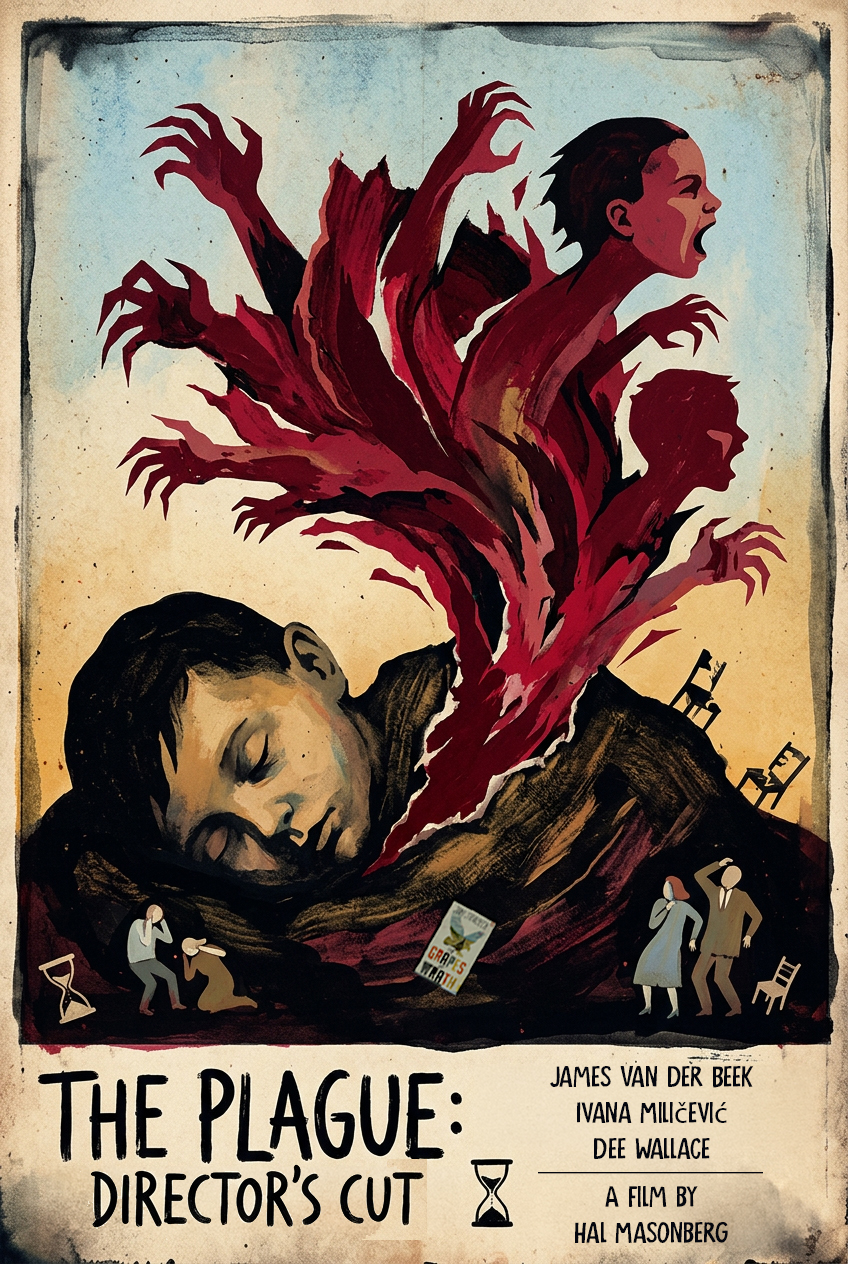
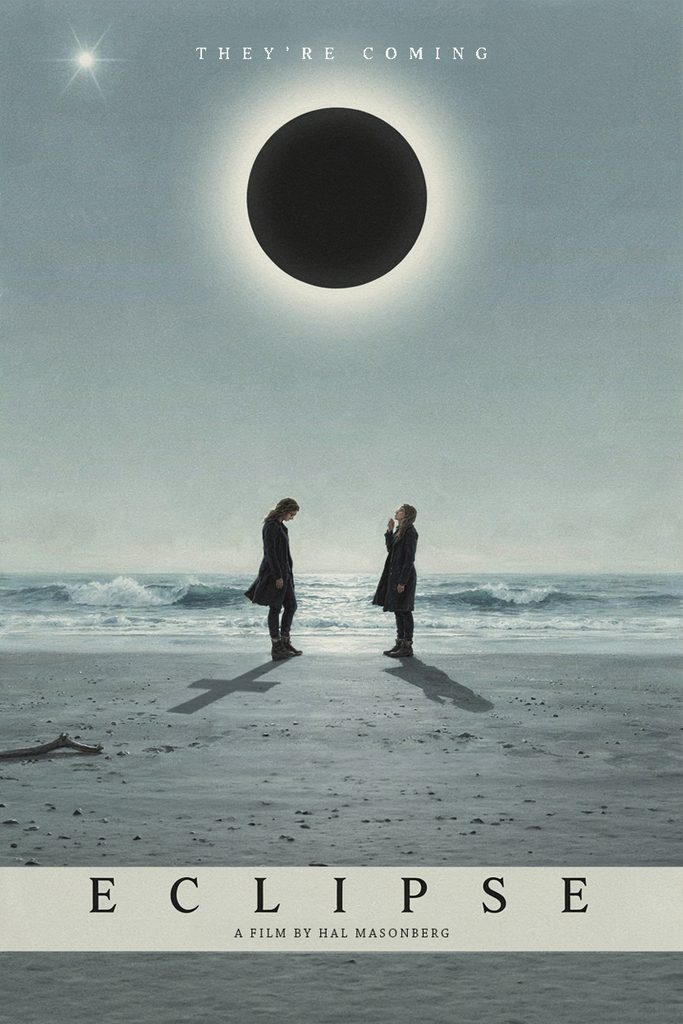
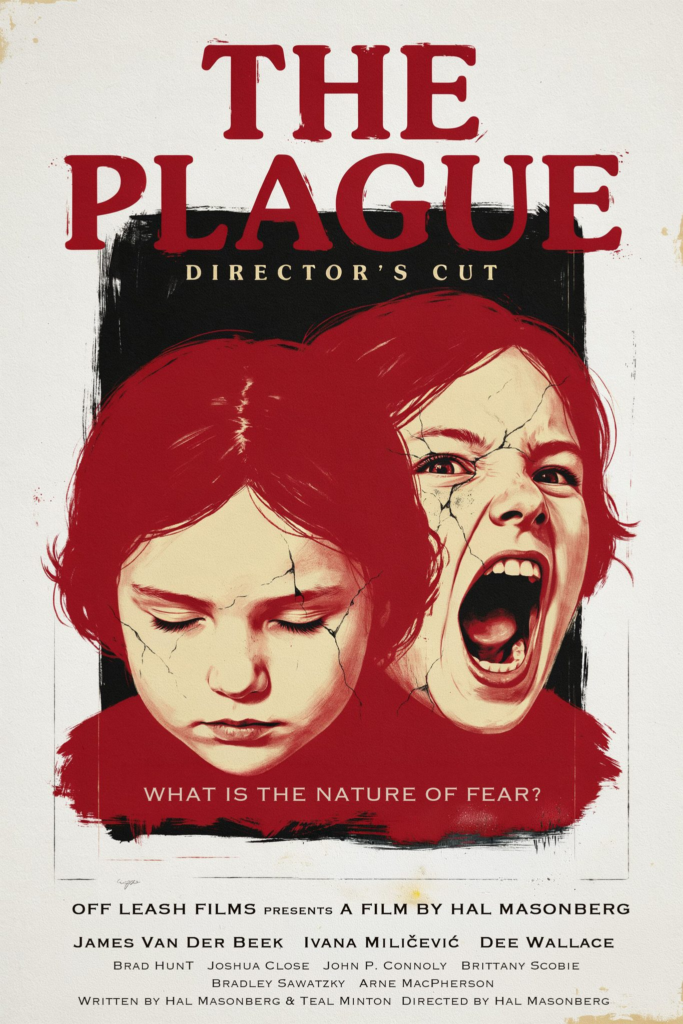
After a series of award-winning short films, Hal’s first feature as writer/director, THE PLAGUE (2006), was a narrative film distributed by Sony Screen Gems that was so profoundly altered in post-production by its producers that the released version of the film and story no longer represented Hal’s vision or intent. Hal – along with much of the film’s cast and crew – publicly disowned that cut of the film, but the lessons of that experience (along with his years of work as a Hollywood screenwriter) created an impassioned desire and mission to work independent of the Hollywood system and to make uncompromising films that directly address themes of both social and personal identity.
Hal is currently working to put together a 20th anniversary Director’s Cut release of THE PLAGUE.
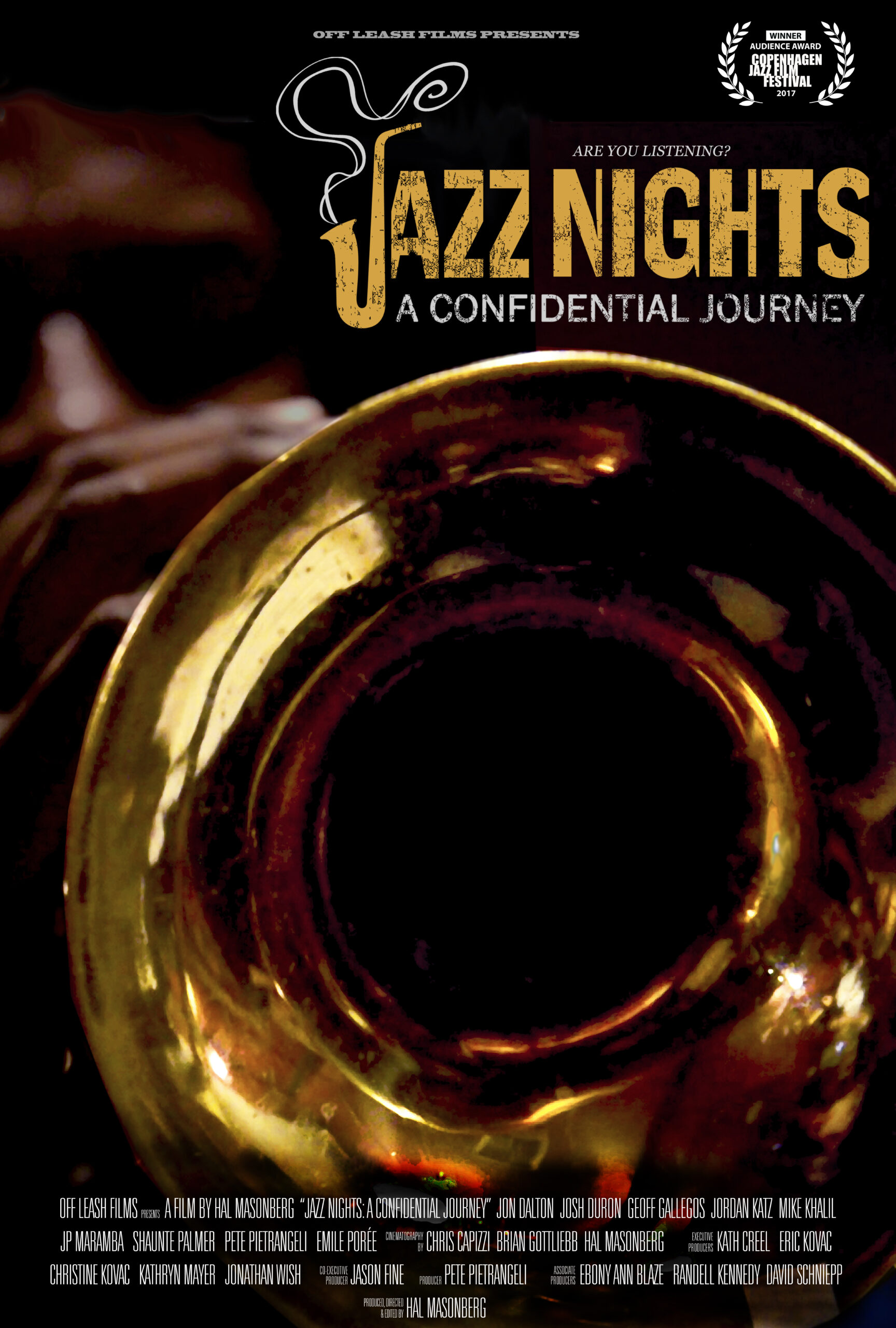
Hal’s second feature, the indy music documentary JAZZ NIGHTS: A CONFIDENTIAL JOURNEY won the Audience Award at the 2017 Copenhagen Jazz Film Festival and has screened across the globe.
Hal’s vast experience and travels have brought him to a place where creating works of personal expression are now a top priority.
Hal Masonberg is the owner of Off Leash Films and is committed to making thought-provoking films and television programs that not only challenge and entertain, but reflect the quality and fearlessness of the cinema he grew up with.


OUR APPROACH TO STORYTELLING
At their best, films, like all great art, tap directly into our subconscious. They do this best when they are created out of the subconscious of another. This is why so many films made by committee are often so dissatisfying, so infinitely forgettable. In our deepest recesses, we are natural storytellers. And we receive stories with equal ease. Storytelling has been with us since the dawn of mankind. It is in our DNA.
Take, for example, the fact that every conscious being dreams. As humans, our dreams play the role of working out our fears and concerns, our doubts, questions, joys and desires. But they are never direct. Dreams have their own logic, their own vocabulary, their own essence. They are oftentimes abstract, surreal. They ask to be interpreted. When we don’t understand our dreams, when we can’t remember every moment, every detail, we can still “feel” them; they linger in our guts for days, weeks, years, lifetimes. And there is no single interpretation of any one dream. Yet these dreams are not delivered to us from some outside force attempting to confuse us, alienate us, dissatisfy us. No, they come from within, from our own subconscious, when we sleep, when we are most vulnerable and least-likely to resist.
The movie-watching experience is very similar. In a theater, we go so far as to share in a kind of “group-dream.” At home alone, if we give ourselves over to the film, we can be transported from our couches to experience places, people and emotional stimuli as if it were as real to us in that moment as our dreams are when we are dreaming. And each person’s experience and interpretation of that story and its characters is filtered through each participant’s own personal set of experiences, needs, desires, etc. Our subconscious plays a part even when stories come from without. We take them in, internalize them, add them to our collective dream experiences.
At Off Leash Films, our definition of success comes from eliciting a response as a result of stirring the subconscious – before the conscious mind steps in and enacts its need to decipher, to find an articulated meaning. We see our job as the former. And we see the audience’s job as the latter. Quite simply put, as artists, any film we make or script we write must be in the service of that experience.
Contact Us
WhatsApp: +1 323 401 1972
Call in Spain: +34 685 093 910